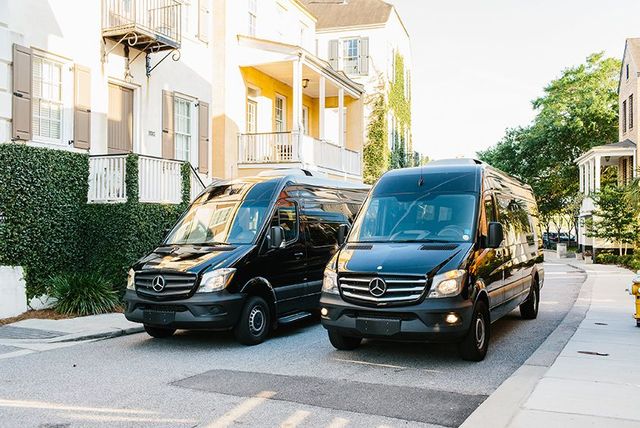
Events are defined by careful preparation, and travel logistics set the tone. From corporate gatherings to private celebrations, reliable and well-coordinated transportation sets the tone for professionalism, comfort, and confidence. Planners often overlook how travel affects punctuality, mood, and impressions. Minor mistakes in travel planning can create significant problems for timing and atmosphere. Awareness of frequent errors helps ensure a polished event experience. Smooth transportation quietly enhances overall here event quality.
Lowcountry Valet recognizes that small oversights can lead to major issues. Extensive event experience highlights recurring pitfalls in transportation. Common causes include last-minute arrangements, poor coordination, or misaligned assumptions. Proactive planning helps guests feel prioritized and comfortable. Careful coordination enhances the perceived quality of the event. We outline frequent errors in transit planning and strategies to prevent them.
Neglecting Early Travel Planning
A frequent error is not giving enough lead time for travel coordination. Planners often think vehicle arrangements can be made at the last minute. Rushing the planning process can result in overlap, shortages, and stress. Beyond choosing vehicles, planners must consider timing, routes, and backup plans. Insufficient preparation often causes operational oversights. Proper planning organizes each element of transit for efficiency.
Early planning provides flexibility and reduces pressure on both organizers and service providers. Planning early helps account for fluctuations in group size and schedule. When transportation is arranged too close to the event date, options become limited and compromises are more likely. Adequate preparation also makes it easier to coordinate with venues, security teams, and event staff. A well-organized timeline supports consistent communication and documentation. Early preparation preserves the smooth execution of the event.
Neglecting Arrival and Departure Logistics
Another frequent error is failing to analyze how and when guests will arrive and depart. Events often involve staggered arrival times, group transfers, and varying departure schedules. Ignoring these patterns results in congestion, delays, and confusion. Transit arrangements should match practical attendance patterns. Planning around guest flow ensures adequate transport resources. Well-structured schedules prevent guest frustration and oversight.
Understanding arrivals and departures allows smoother coordination and shorter waits. When arrival and departure schedules are clearly mapped, vehicles can be positioned strategically. This approach minimizes idle time and maximizes resource utilization. Careful planning improves security and order at key locations. Planned flow reduces bottlenecks and errors. Thoughtful planning of guest movement contributes to a seamless and dignified experience.
Failing to Maintain Clear Coordination
Poor coordination between planners, venues, and transport teams causes issues. Planners, staff, and drivers need timely and precise updates. When updates are delayed or incomplete, mistakes multiply quickly. Misunderstandings about schedules, access points, or guest priorities can disrupt operations. Clear communication establishes accountability and alignment. Good communication allows quick solutions for unforeseen issues.
Scheduled meetings and written guides improve coordination. These tools ensure that everyone understands their responsibilities and expectations. Accessible communication prevents misunderstandings. When stakeholders collaborate effectively, transportation becomes an integrated part of the event rather than an isolated function. Clear instructions foster credibility and operational consistency. Strong communication practices elevate the overall professionalism of the event.
Choosing Inappropriate Vehicle Types
Selecting the wrong vehicle type is a mistake that can undermine comfort and efficiency. Each type of event has unique transit requirements depending on attendees and agenda. Mismatched vehicles create discomfort, delays, and frustration. Lowcountry Valet prioritizes aligning vehicle selection with event objectives. Vehicle size, comfort, and design need to reflect the event’s goals. Careful vehicle planning enhances the overall guest experience.
The right vehicle type supports smooth timing and operational flow. Larger groups require vehicles designed for efficient boarding and disembarking. Business functions often need vehicles that support confidential conversations. Special occasions often benefit from enhanced comfort and visual appeal. Assessing vehicle requirements ensures smooth operations. Proper vehicle selection reinforces the event’s image and operational success.
Neglecting Contingency Planning
Unforeseen adjustments can occur, and unprepared transit plans suffer. Inclement weather, timing modifications, or extra attendees frequently arise. Without contingency measures, these changes can derail carefully arranged logistics. Inflexible arrangements limit problem-solving options. Proactive preparation ensures resilience in unpredictable situations. Alternative plans support stress-free management for all involved.
Contingency planning includes alternative routes, standby vehicles, and emergency communication protocols. Such measures enable prompt reaction to unexpected challenges. Flexibility also involves empowering staff to make informed decisions in real time. Being prepared keeps operations consistent under changing conditions. Contingency-ready transit safeguards the event’s flow. Prepared systems demonstrate competence and dependability.
Neglecting Guest Comfort and Experience
Ignoring passenger needs undermines satisfaction and engagement. Travel arrangements create the initial and final experience of an event. Crowded or poorly managed vehicles reduce guest satisfaction. Amenities, ride quality, and convenience shape favorable impressions. Focusing on passenger comfort signals care and professionalism. Prioritizing comfort improves event reception.
A positive transportation experience supports emotional engagement with the event. When guests feel relaxed and cared for, they arrive more receptive and energized. Small inconveniences can compound into larger frustrations if ignored. Ensuring a smooth ride minimizes disruptions. Comfortable guests are more likely to follow schedules. Consistent attention to guest experience strengthens the event’s reputation.
Poor Team Organization and Preparation
A great plan depends on a well-prepared team. Drivers, dispatchers, and on-site coordinators must operate as a unified team. Lack of training leads to inconsistent service and miscommunication. Everyone should be aware of the schedule, guest needs, and emergency protocols. Well-trained staff can respond effectively to issues. Coordinated teams deliver dependable performance.
Continuous development maintains high-quality performance. Development programs copyright courteous and effective interaction standards. Well-informed staff can anticipate issues before they escalate. Defined hierarchies ensure roles and responsibilities are clear. Staff with defined duties maintain operational flow. Strong coordination translates directly into guest satisfaction.
Not Reviewing Post-Event Transportation Performance
Planners frequently fail to assess transit performance afterward. Once an event concludes, transportation performance is rarely analyzed in detail. Skipping review limits future enhancements. Evaluating schedules, guest input, and logistical issues provides learning opportunities. Lowcountry Valet prioritizes post-event reflection to refine services. Reflection transforms experience into expertise.
Post-event analysis supports strategic refinement and future readiness. It helps identify recurring issues and successful practices. Documentation of lessons learned strengthens institutional knowledge. This process also enhances relationships with clients and partners. Consistent evaluation demonstrates commitment to excellence. Continuous improvement ensures better outcomes for future events.